

Maths lessons in which every child practises at their own level
You decide what your class works on. Mazio Math adapts the difficulty to each child and shows you where the class stands and what it needs next.
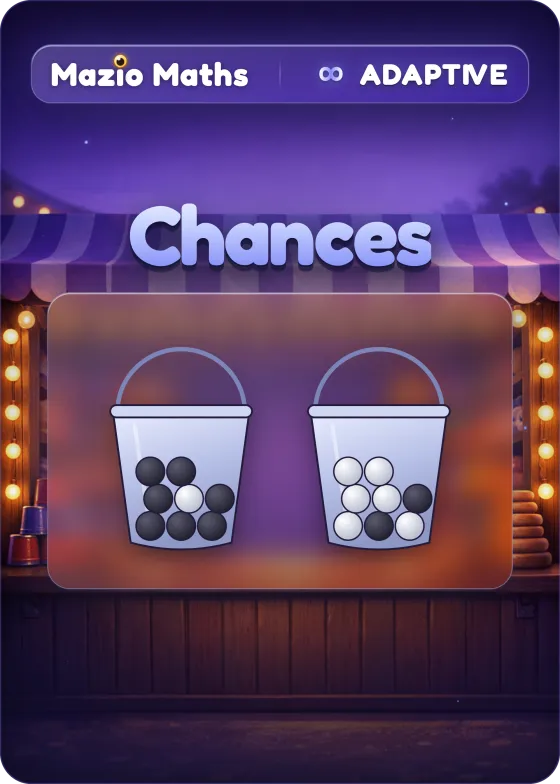
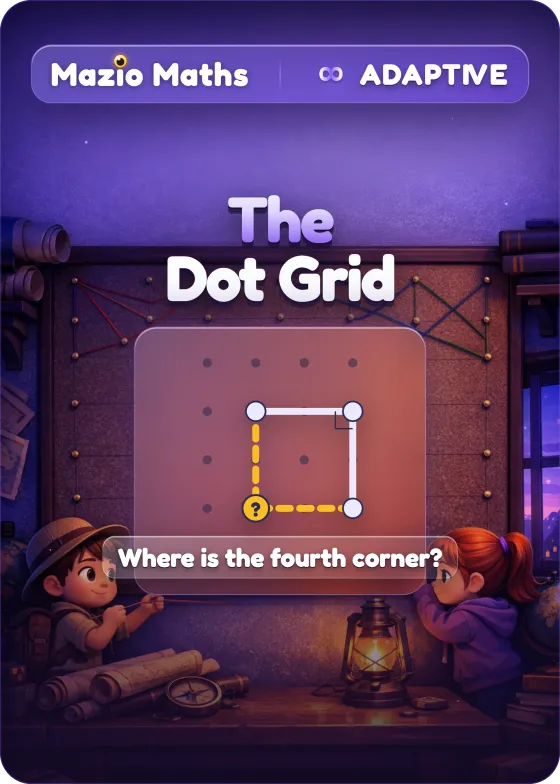

Units and exercises for all five content areas
The content is organised by the five content areas of the German national education standards and designed for the two-year bands of grades 1/2 and 3/4. You decide which to use in which grade. The children work in the browser at mathezeit.de or in the Mazio Math app.
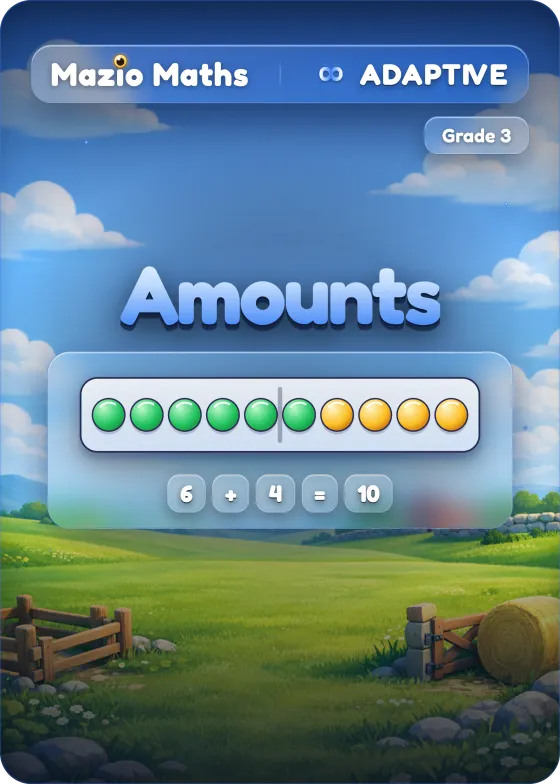
 Number and Operations
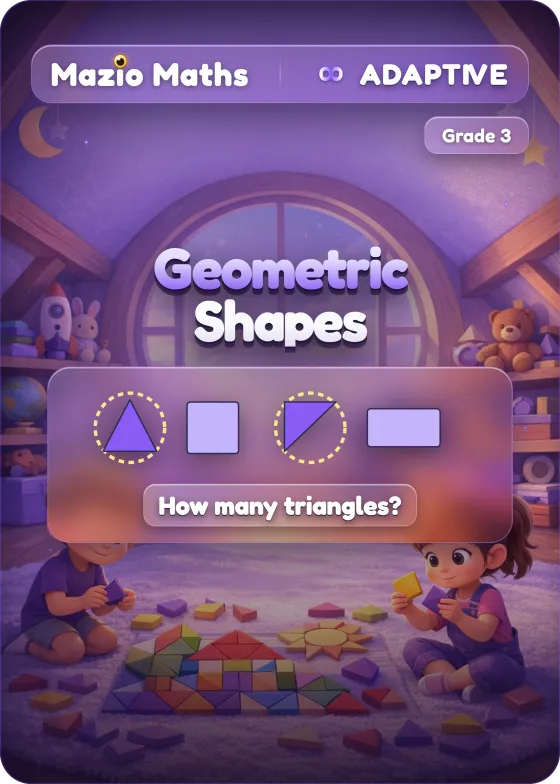
 Shape and Space
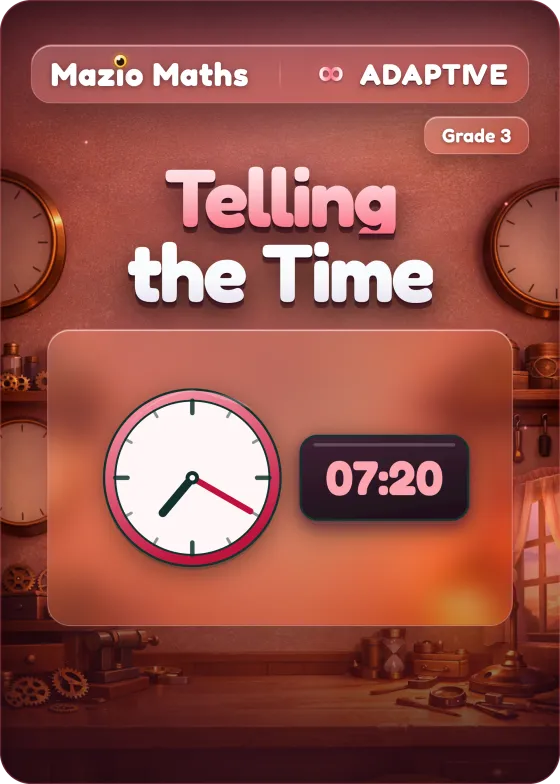
 Measures
 Patterns and Structure
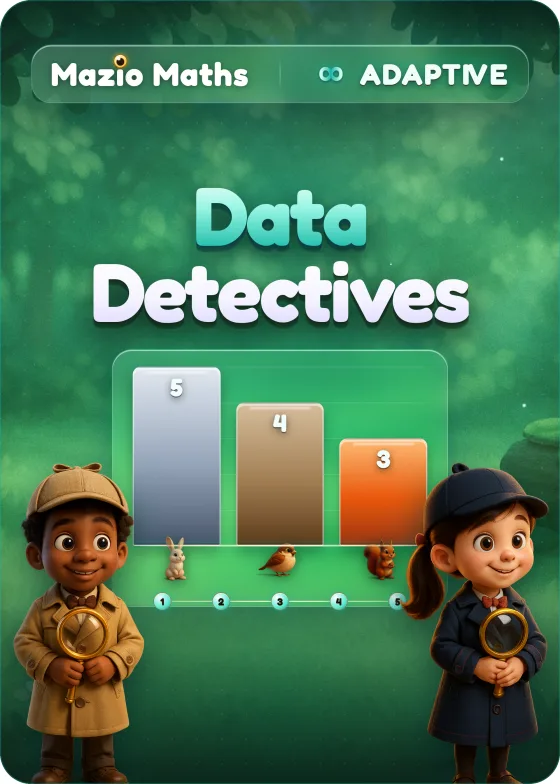
 Data, Chance and Combinatorics
Units
Build up a topic step by step. Each unit is a learning path made up of several stations, each with many tasks, from first discovery to confident mastery.
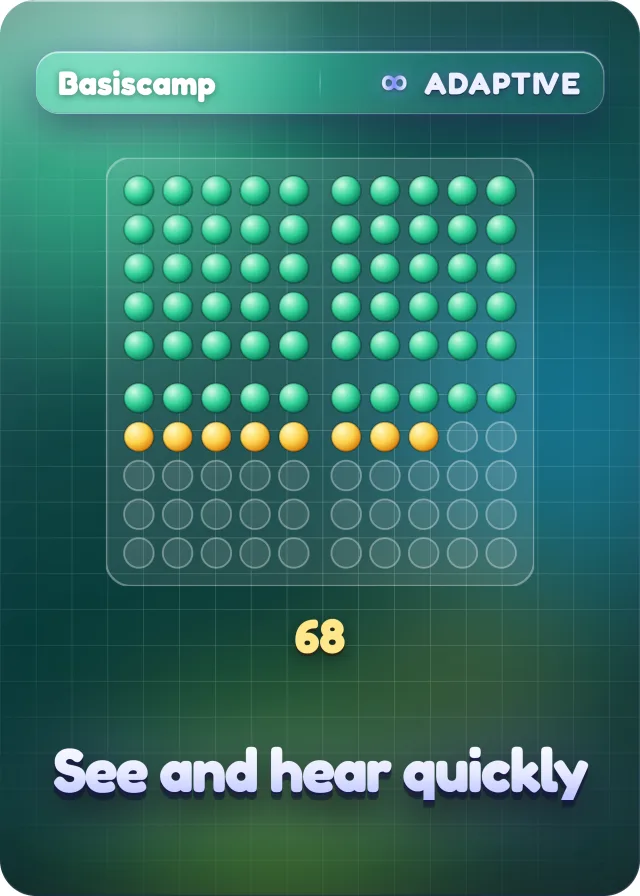
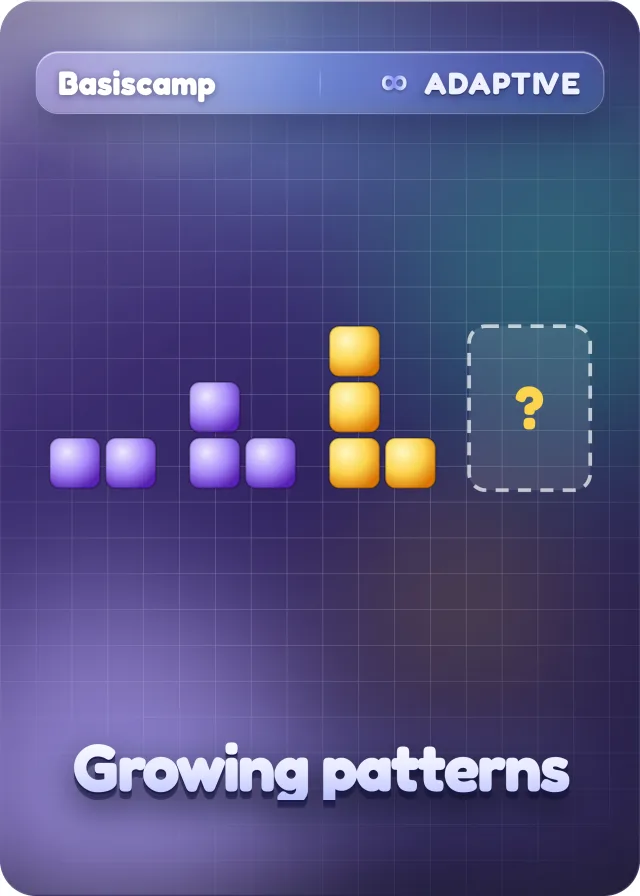
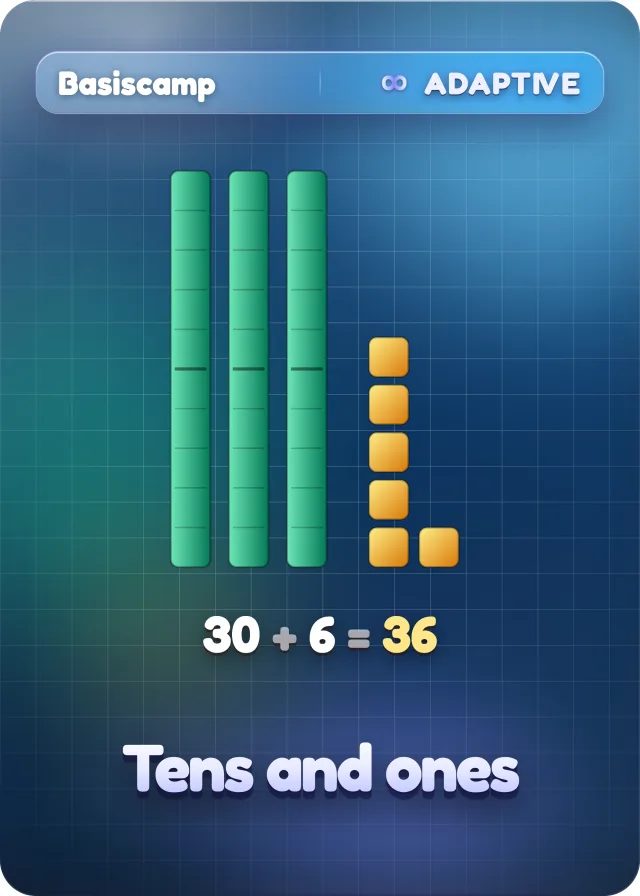
Basiscamp
Builds calculation skills step by step, from number sense and place value through mental calculation and times tables to informal written methods and column methods. There are also worlds on patterns, balance and puzzles.
Knobelbox
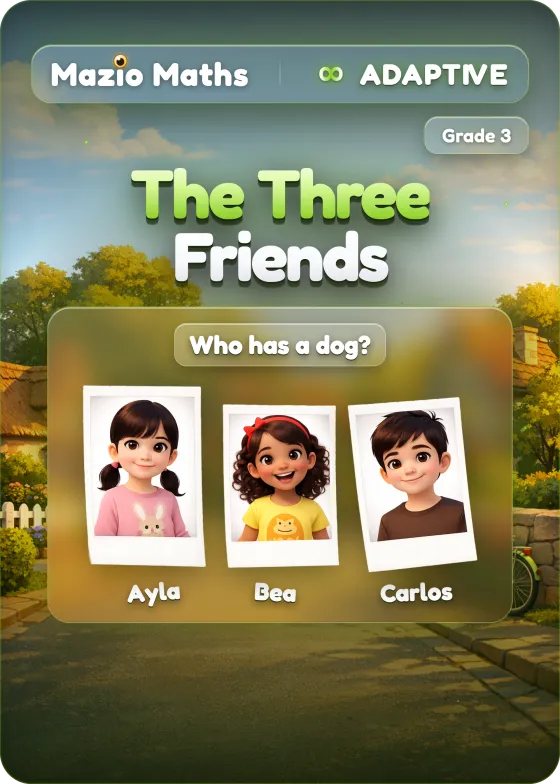
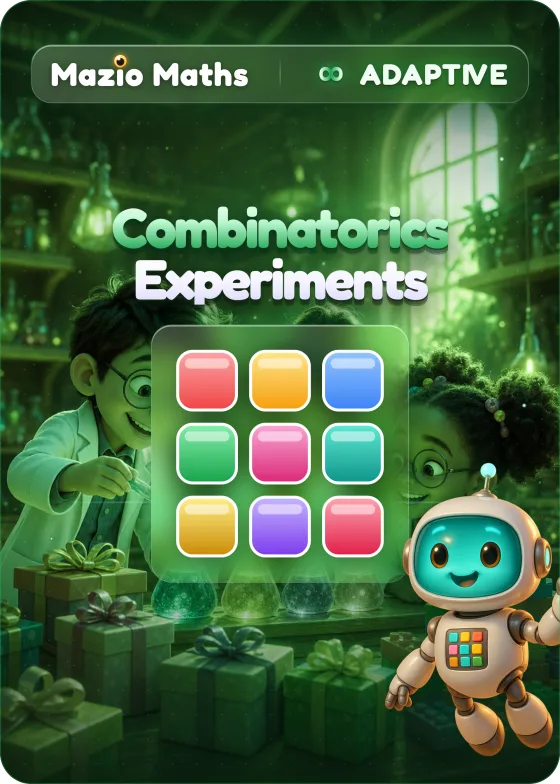
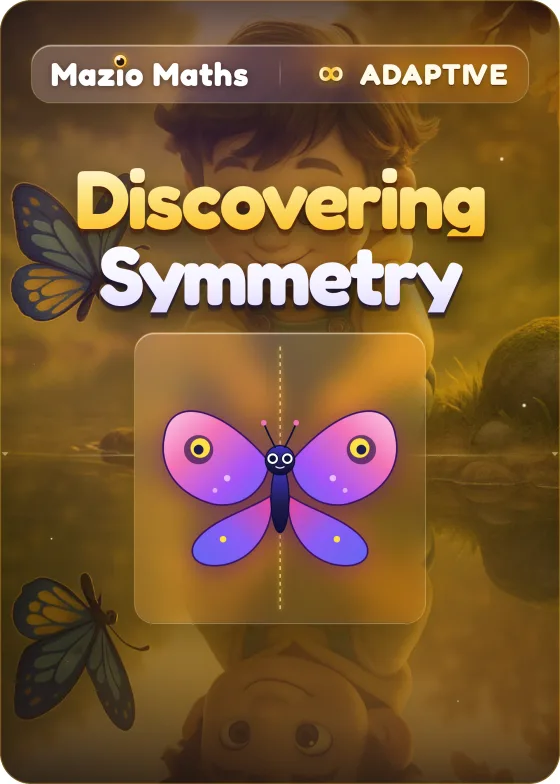
Develops mathematical problem solving. Short tasks from all five content areas get children thinking, from sudoku to combinatorics. From these you put together puzzle sets, for example for the start of a lesson.
The right tasks for every child
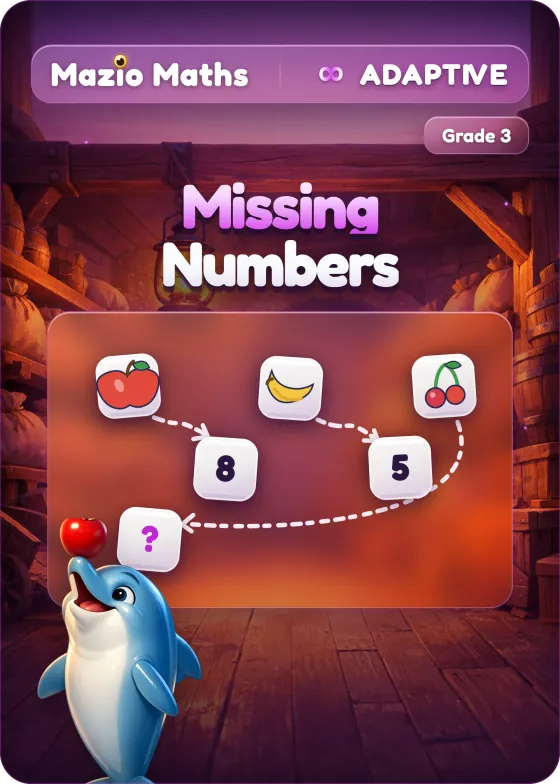
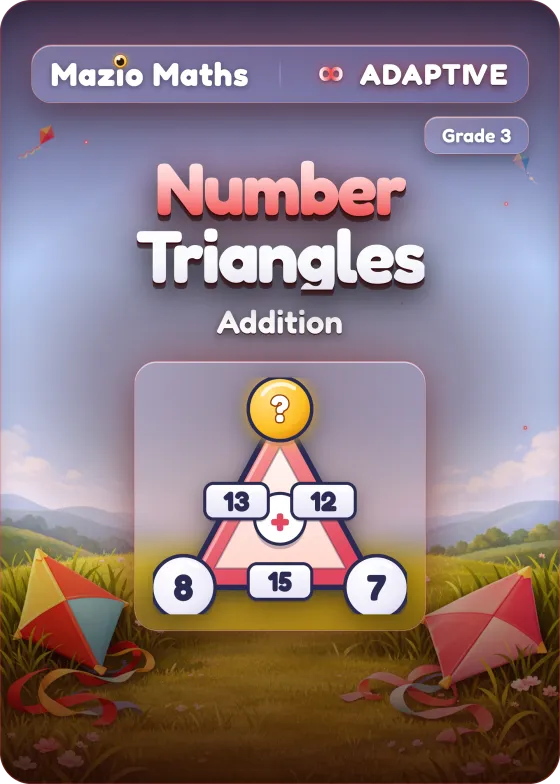
In every class some children already calculate confidently while others are still working on the basics. That is why the difficulty adapts to each child’s previous work, so that all children are challenged and get support where they need it.
Besides whether an answer is correct, Mazio Math also looks at which errors a child makes. If a typical misconception shows up, tasks follow that address exactly that point.
Even when you put the same unit on the board for all children, as a rule no two children work on exactly the same tasks. The same applies to puzzle sets and the Basiscamp. You don’t need to prepare separate material for each ability group.
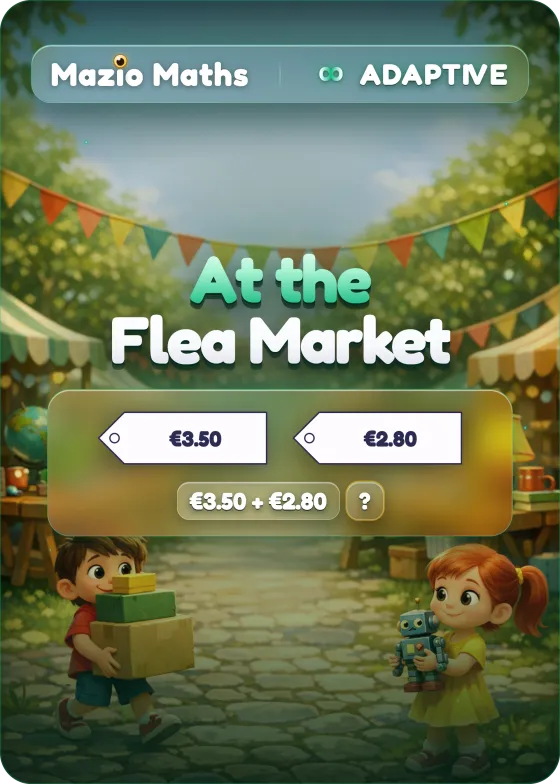
- €2 + 50c
- €4.80 + €2.70
- How many cents are in €1?
- Make €3.25 with as few coins as possible.
- A book costs €6.40. How much change do you get from €10?
- Three games at €1.20 each. How much do they cost altogether?

In the Basiscamp, what has been learned is checked again
The Basiscamp keeps track of which task types each child has already mastered. An exercise only counts as completed when several tasks in a row are solved at the first attempt and without help. Anything that has not been practised for a while comes round again after some time.
More time for the children
You put content on your class’s board. For everything on the board you automatically get matching suggestions underneath. One tap adds the next piece of content.
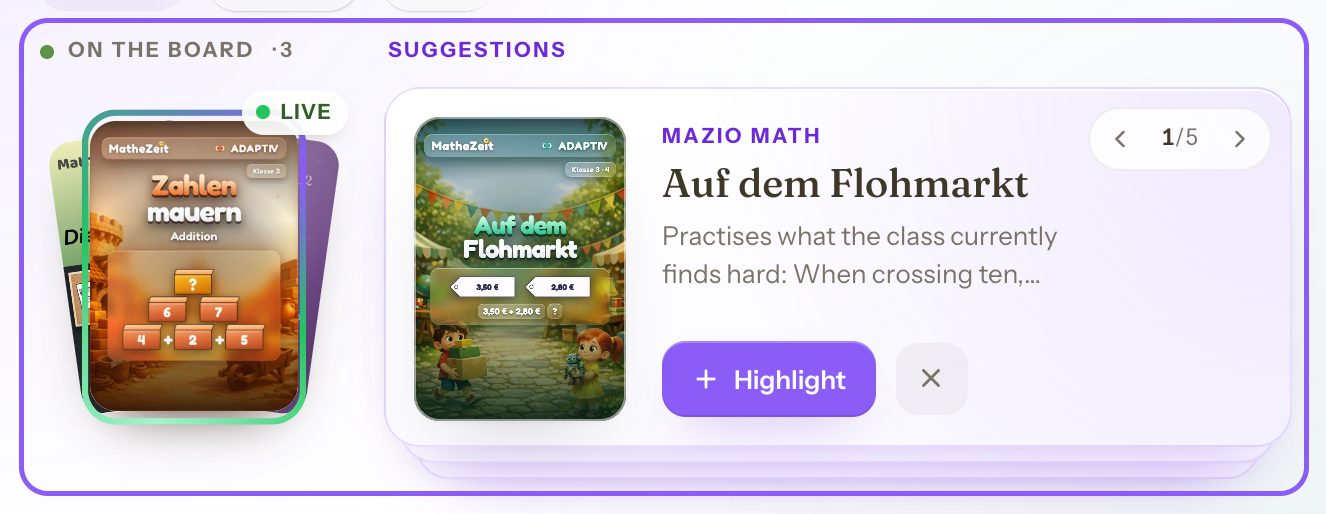
Straight onto the children’s devices
Whatever you put on the board, the children see straight away in their learning area, in the browser or in the app. New content appears at the top as compulsory, and you can add a sentence with a note.
How to prepare a lesson with the boardMazio helps with mistakes
When a child makes a mistake, Mazio asks a question and offers answers to tap. He does not give the solution. That way the child gets help even while you are with another child.
See what the class can do and get suggestions from it
The evaluation builds up while the children work. Under “Results” you see where the class stands in the five content areas and how each unit went. From this, Mazio Math suggests suitable content, each with a reason.
- Evaluation by levelEvery unit worked on comes with an evaluation by level. This can reduce marking and keeping track.
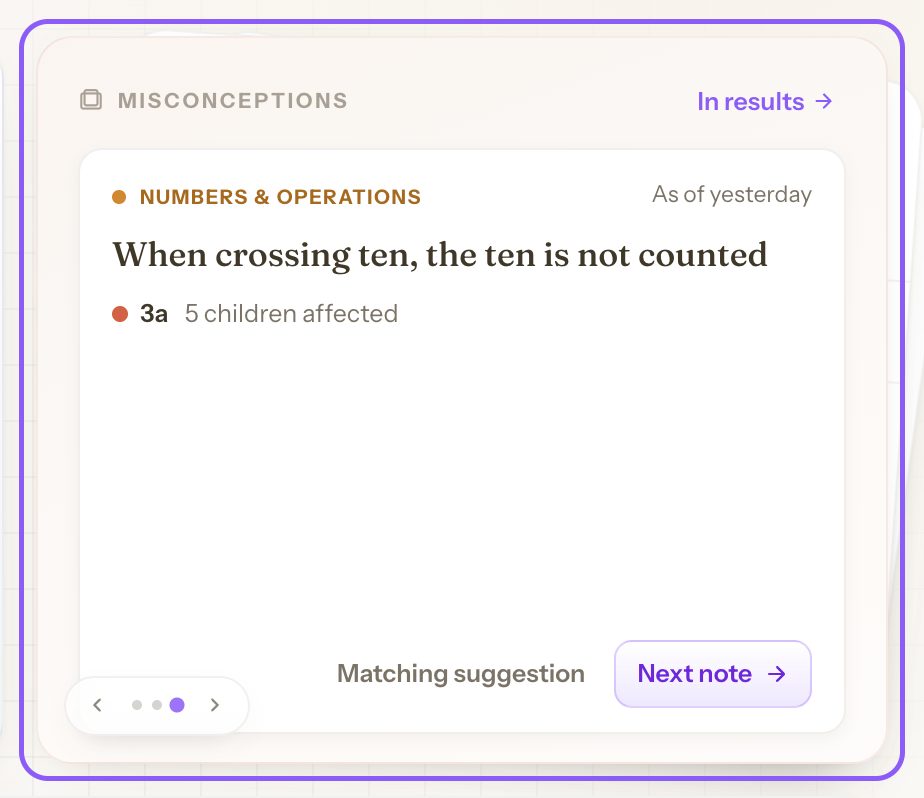
- Recognising misconceptionsOnce a week, Mazio Math checks whether a misconception is showing up in the class. The support card explains the error in thinking and suggests steps for your lessons.
- You decideSuggestions are for the whole class, and adaptive content adapts to each child. You decide what goes on the board.
What teachers say
The varied and adaptive tasks are particularly well suited to reaching all children without much effort.
It is much more about real basic understanding and modelling. Other apps are only good for practice.
The pupils practise meaningfully, enjoy it, and it makes lesson preparation and diagnostic assessment easier.
I am currently working with two parallel classes on Mazio Math and am amazed at how accurately the diagnostics reflect the classes. I appreciate the suggestions for catching up or going deeper. It makes the work easier.
Mazio Math was tested in a scientific study with a comparison group at primary schools in Germany. About the study · How teachers experience Mazio Math
Children’s data stays protected
Each child logs in with their own access code, without an account and without an email address. We process personal data exclusively in the EU, and pupils’ data exclusively in Germany. The basis is a data protection agreement that your school concludes with us online. This is currently possible for schools in Germany.
Create your first class
Registration is free for teachers, and your account is ready straight away. The children can start once your school has concluded the data protection agreement with us online. This is currently possible for schools in Germany; if your school is in another country, registration records your interest.
- 1Create an account
- 2Create a class
- 3Print access cards
Frequently asked questions
What does it cost me as a teacher?
Nothing. Mazio Maths is free for teachers. Using it with a class is currently available to schools in Germany; the licence is obtained by the school, not by the individual teacher. If your school is in another country, registration records your interest and we will let you know as soon as Mazio Maths is available there. Information for schools is under For school leadership.
How do I get started?
In three steps. You create an account with your work email address. You create a class, and Mazio Maths generates a personal access code for each child, as printable access cards if you wish. You don’t need to enter names. The children can start once your school has concluded the data protection agreement with us online. This is currently possible for schools in Germany.
Do I need the school leadership’s approval?
For the data processing agreement, yes. Mazio Maths processes pupils’ data; your school, as the controller, concludes the agreement on this with us. We provide the documents. Who at your school decides on long-term use depends on the rules in your country.
Do the children need an account?
No. Each child logs in with their own eight-character access code or their access card. Children do not have email addresses, and no account with contact details is created.
What devices do I need?
Common tablets and laptops with an up-to-date browser. There is nothing to install. There is also an app.
How much preparation does it take?
You choose what to put out for the class. The evaluation builds up while the children work.
What do I see in the dashboard?
Where your class stands in the material, what it is currently finding hard and which errors in thinking keep recurring, based on the units worked on. From this come suggestions with reasons for the whole class. You decide what goes on the board.
Can Mazio Maths be used for diagnostic assessment?
As ongoing, formative assessment, yes. While the children practise, Mazio Maths evaluates every answer using rules. You see for each child and for the class where they stand in the five content areas, and you get a flag when several children make the same error in thinking, for example when bridging ten or with place value. Mazio Maths does not replace a standardised test with norm values.
What does Mazio do when a child gets stuck?
Mazio asks a question about the task and offers answers to tap. He does not give the solution; the child takes the next step on their own. Mazio is labelled as AI for the children.
Does it fit the curriculum?
The content covers the core areas of primary maths found in curricula around the world: numbers and operations, space and shape, patterns and structures, quantities and measuring, data and probability. It is designed for children aged six to ten.